Category: Bandipora

  • A flooded road leaves Bandipora’s tourist village cut off from its livelihood

    A flooded road leaves Bandipora’s tourist village cut off from its livelihood

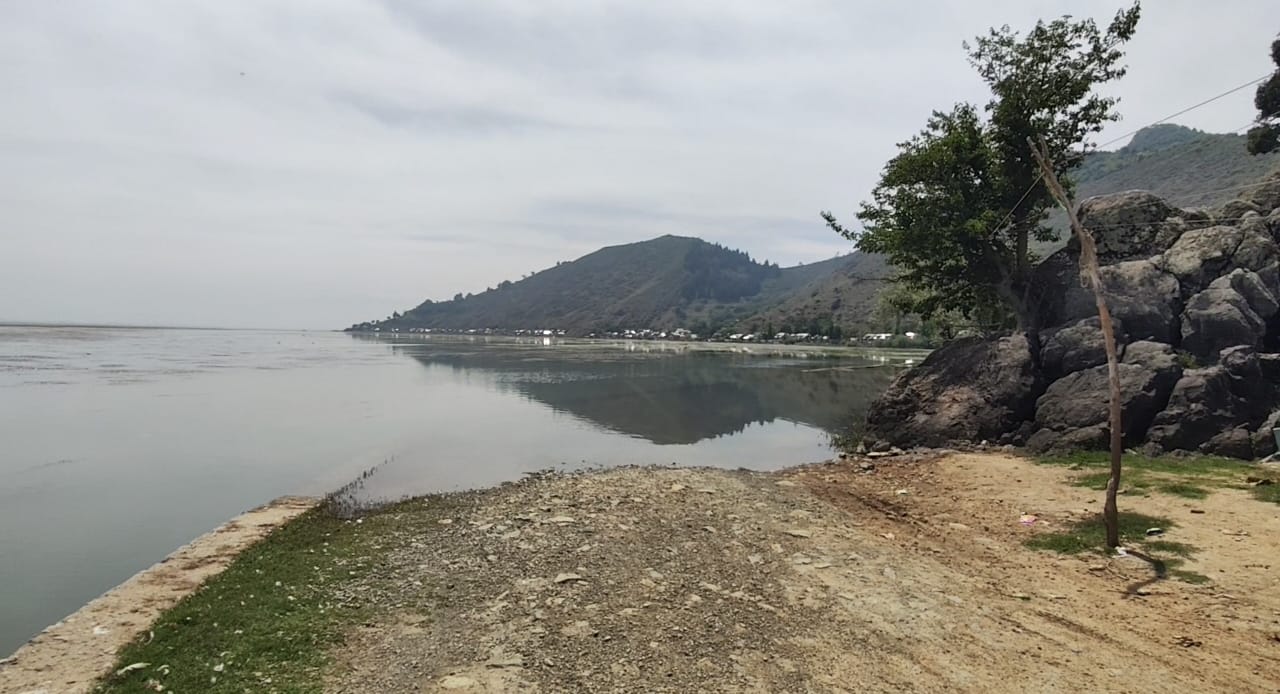
    Bandipora, May 10: On most evenings two summers ago, the lakeside in Bangladesh village would remain crowded until sunset. Cars lined the narrow road skirting Wular Lake, tourists waited for shikara rides along wooden platforms built near the shore, tea stalls stayed open late into the evening and young men ferried visitors into stretches of open water. Today, much of that same road lies under water, several shikaras have been pulled ashore and residents of this village in north Kashmir’s Bandipora district say a tourism economy that had briefly transformed the area is slowly fading with the lake’s rising waters.

    The road does not disappear suddenly. Residents say it happens in stages whenever Wular swells during spring and early summer. First, water gathers along the edges and then long stretches become difficult to distinguish from the lake itself, forcing vehicles to move cautiously through submerged portions.

    For the past two seasons, locals say, this has become a recurring reality on the link road connecting Bangladesh and neighbouring Zurimanz villages to the Bandipora-Sopore highway. Unlike the Boulevard Road running along Dal Lake in Srinagar, which sits above the water level, this road lies almost parallel to Wular at a much lower elevation, leaving it vulnerable each time snowmelt and rainfall increase the lake’s inflow.

    Residents say the villages first began attracting sustained tourist attention around two or three years ago after photographs and short videos of the area spread widely across social media platforms. The tourism department and the Wular Conservation and Management Authority (WUCMA) subsequently developed parts of the lakeside by creating viewpoints, installing a floating jetty and constructing wooden platforms for shikaras in an effort to promote the area as an eco-tourism destination.

    What followed, residents say, was the busiest tourist period the villages had witnessed in years.

    “It changed very quickly,” said a local resident associated with boating activity in the area. “Earlier people would pass through this village without stopping. Then suddenly tourists started coming specifically for this place.”

    The first two shikaras were introduced by two brothers from the village who began offering rides through sections of Wular where the lake widens into a broad bay-like stretch that locals often describe as a beach. Within a short period, according to residents, the number of shikaras increased to around 25 as more families invested savings into boats, hoping tourism would provide an alternative source of livelihood in a village largely dependent on fishing and seasonal labour.

    Now, locals say, only around eight or nine remain operational.

    The rest have been pulled onto the banks, some covered with tarpaulin sheets and others left leaning against embankments that no longer open regularly because tourist arrivals have fallen sharply over the past two seasons.

    “The problem is not the place. The problem is reaching the place,” another resident said while standing near a submerged stretch of road, he added, “That is the road. Tourists come here, see the condition and many of them return without even entering the village.”

    Residents say motorcycles avoid the route almost entirely during periods of high water levels while pedestrians frequently walk through ankle-deep or knee-deep water to cross submerged sections. During evenings, when visibility drops further, even small passenger vehicles hesitate to use the stretch. Locals say this has gradually reduced tourist arrivals, particularly among families travelling from Srinagar and other districts.

    For villagers who had reorganised their livelihoods around tourism, the slowdown has been difficult to absorb.

    One boat owner said his family had spent most of its savings constructing and decorating a wooden shikara after witnessing the tourist rush during the early phase of the boom. “There were evenings when every boat remained occupied,” he said. “People waited for rides. Children took photographs. The shore would remain crowded till late evening.” He now keeps the shikara parked near his home for long periods because visitors have declined sharply.

    Residents describe the decline as gradual but unmistakable. First, fewer travel vloggers visited the village. Then families stopped staying late into the evening. Tea stalls shut one after another. Rows of brightly painted shikaras along the shore began shrinking until the lakefront itself grew noticeably quieter.

    Officials familiar with the matter said proposals to raise the road level and strengthen vulnerable stretches have been discussed at different levels over the years.

    Executive Engineer, R&B Bandipora, Shahid Saleem told Rising Kashmir that the department has already floated tenders for the project and work is expected to begin shortly. “The project has been taken up at an estimated cost of over Rs 2.5 crore. Tenders have already been invited and we are hopeful work will start within the next 15 days,” he said.

    For residents here, the irony remains difficult to ignore. The villages became visible because of their proximity to Wular. Now the same lake that drew tourists is cutting the villages off from them.

    In the evenings, the landscape still carries the same stillness and scale that once made Bangladesh and Zurimanz trend across social media. Fishing boats continue moving through reeds, the mountains behind the villages darken slowly at sunset and the waters of Wular stretch outward like an inland sea. But along the edge of the village, the road keeps slipping beneath the lake, and with it, residents say, the brief promise that tourism had brought to Bangladesh.

  • B’pora’s Kishanganga Power Station sets new record, crosses 1,506 MUs

    B’pora’s Kishanganga Power Station sets new record, crosses 1,506 MUs

    Highest output since commissioning

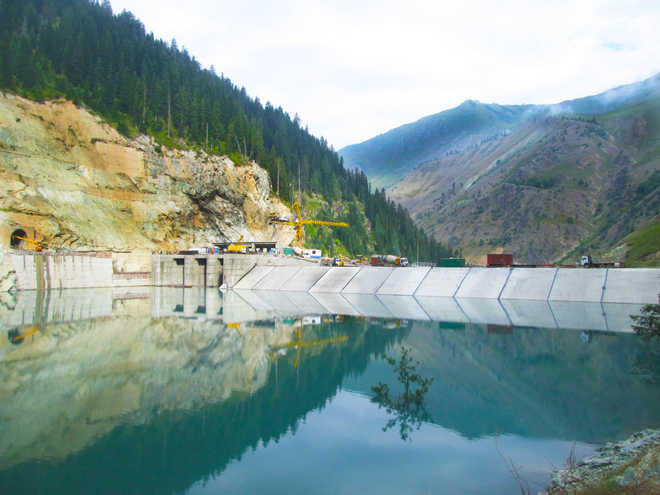
    Srinagar, Mar 18: The 330 MW Kishanganga Hydroelectric Power Station of NHPC Ltd has recorded its highest-ever cumulative power generation, crossing 1,506.52 million units (MUs) in the current financial year 2025–26, surpassing its previous best and setting a new benchmark since its commissioning in 2018.

    The milestone was achieved on the intervening night of March 17–18, when the station’s cumulative generation overtook the earlier record of 1,505.97 MUs logged in 2021–22. With around two weeks still remaining in the financial year, officials expect the figure to rise further.

    Head of Power Station and Incharge General Manager Rajesh Ranjan said the plant had already entered its highest-ever generation phase.

    “Around midnight on March 17, our cumulative generation crossed 1,506.52 million units, overtaking the previous record. With 14 days still left in the financial year, we expect this number to increase further,” he said.

    He said the current performance reflects the station’s best output since commissioning and pointed to improved operational planning and execution.

    “We are focusing on running the station at optimum efficiency while strictly maintaining safety standards. The idea has been to maximise output without compromising safety,” Ranjan said.

    He attributed the achievement to sustained coordination across teams, including planning, operations, maintenance and support units.

    “This is the result of collective effort. Our planning team, our general managers Som Nath and Arun Kumar Soni, and the powerhouse team led by Shakti Prasad Rath have all contributed. Finance and HR teams have also played an important role,” he said.

    Ranjan also acknowledged the role of contract workers and ground-level staff, saying round-the-clock work has been central to maintaining output.

    “Our teams are working 24×7, whether in operations or maintenance to ensure maximum efficiency. Contract workers, township staff and internal support teams have all put in sustained effort to achieve this result,” he said.

    Officials said the plant’s high availability during the year has helped maintain steady generation, even as hydroelectric operations in the region often face seasonal and operational constraints.

    In a statement, NHPC credited the achievement to the leadership of Chairman and Managing Director Bhupender Gupta, with technical guidance from Director Suprakash Adhikari, and support from Executive Director (Region-Jammu) Ram Swaroop and Executive Director (O&M) Indradeo Prasad Ranjan.

    Ranjan said the milestone has lifted morale within the station and set the stage for higher targets.

    “This is an important achievement for us, but also a reminder that we need to set new benchmarks going forward,” he said.

    Commissioned in 2018, the Kishanganga project is a key hydroelectric installation in north Kashmir Bandipora district and plays a significant role in meeting the region’s power demand. With the current trend, the station is set to close the financial year with its highest-ever generation.

  • CEO Bandipora suspended Day after acting on audit-flagged Teacher Postings

    CEO Bandipora suspended Day after acting on audit-flagged Teacher Postings

    August 2025 AG report had noted 34 teachers absent from parent zone

    CEO ordered immediate repatriation before suspension order issued

    Srinagar, Feb 20: The Jammu and Kashmir Government on Friday suspended Chief Education Officer Bandipora, Balbir Kumar, a day after he ordered the cancellation of 34 teacher deployments and directed their immediate repatriation to Education Zone Gurez, a move that came months after the Principal Accountant General (Audit) flagged large-scale irregularities in teacher attachments in the district.

    The suspension order, Government Order No. 79-JK (Edu) of 2026 dated February 20 places the CEO under suspension with immediate effect pending enquiry into his conduct, under Rule 31 of the Jammu and Kashmir Civil Services (Classification, Control and Appeal) Rules, 1956. During the suspension period, he has been attached to the Directorate of School Education, Kashmir.

    The development has brought into focus an audit trail that pointed to unauthorised and prolonged teacher deployments, allegedly without formal approvals, impacting staffing patterns in remote and tribal schools.

    In August 2025, the Principal Accountant General (Audit) reportedly identified irregularities concerning the attachment of teachers originally appointed in Education Zone Gurez but serving in other zones of Bandipora district.

    According to officials familiar with the findings, the audit flagged that several teachers had been deployed outside their parent zone without proper sanction orders, leading to distortions in staff distribution and affecting the Pupil-Teacher Ratio (PTR) in far-flung areas.

    The report pointed to the adverse academic impact in Gurez valley, particularly Dawar, where sanctioned strength existed on paper but classrooms were operating with skeletal staff.

    On February 19, 2026, one day before his suspension, the CEO issued Order No. CEO/Bpr/Estt/026/1277–82 directing 34 teachers to report back to their original place of posting in Gurez with immediate effect.

    The order stated that although these teachers had been deployed in other education zones through orders issued from time to time, such deployments were temporary and did not grant any vested right to continue at the place of attachment.

    It further cited staff rationalisation and administrative review, which revealed an acute shortage of teaching staff in their parent zone, affecting the smooth functioning of educational institutions.

    The order declared the teachers relieved from their current postings forthwith and warned that failure to comply would invite disciplinary action under relevant service rules.

    The CEO clarified in the order that the cancellation was issued purely on administrative grounds and should not be construed as punitive.

    The audit findings, however, suggested that the issue extended beyond 34 teachers.

    Reports indicated that over 128 teachers from various zones were deployed in Sumbal zone without formal approval, resulting in surplus staff in Sumbal while remote schools in Bandipora district, particularly in Gurez, remained understaffed.

    Education Zone Gurez, which includes remote and tribal villages, has long faced logistical and terrain-related challenges. Residents have previously raised concerns that teachers were handling multiple grades and subjects simultaneously due to shortages.

    The suspension of the CEO, coming within 24 hours of the repatriation order, has raised questions within administrative and education circles.

    The government order states that the suspension is pending enquiry into his conduct but does not detail the specific grounds. The timing, however, has drawn attention because it follows both the audit observations and the issuance of the repatriation directive.

  • Bandipora Educator among 55 chosen Nationwide for School leadership meet in New Delhi

    Bandipora Educator among 55 chosen Nationwide for School leadership meet in New Delhi

    Bandipora, Jan 7: A government school teacher from Bandipora district has been selected to participate in a national-level conference on school leadership to be held in New Delhi later this month.

    According to an official communication, Javid Ahmad Bhat, Head Teacher of Government Girls Middle School (GMS), Onagam, has been nominated to attend the National Conference on “Successful School Leadership: Innovative Pathways for Viksit Bharat@2047”. The conference is scheduled from January 17 to 19, 2026, at the India International Centre in New Delhi.

    The event is being organised by the National Centre for School Leadership (NCSL) under the National Institute of Educational Planning and Administration (NIEPA). It will bring together selected school heads and principals from across the country whose leadership case studies were shortlisted through a national-level screening process.

    Officials said that more than 300 entries were received from government and government-aided schools across India, out of which only 55 school heads were selected for participation. Javid Ahmad Bhat is among the four educators chosen from Jammu and Kashmir.

    Currently posted at Laharwalpora in Bandipora, Bhat will represent Government Girls Middle School, Onagam, and share his experiences and practices related to school leadership and administration during the conference.

    As per NCSL, the travel, boarding, and lodging expenses of the selected participants will be borne by the organising institution in accordance with NIEPA norms.

    The conference aims to showcase effective leadership models in school education and align them with the national vision of Viksit Bharat@2047. 

    The selection of a teacher from Bandipora has been noted as a recognition of work being done at the school level in the district.

  • Alfalah Educational institute sends its first Hafiz, Raqib-ul-Hassan, for Umrah

    Alfalah Educational institute sends its first Hafiz, Raqib-ul-Hassan, for Umrah

    Young Hafiz flagged off for Umrah under Alfalah’s Hifz initiative

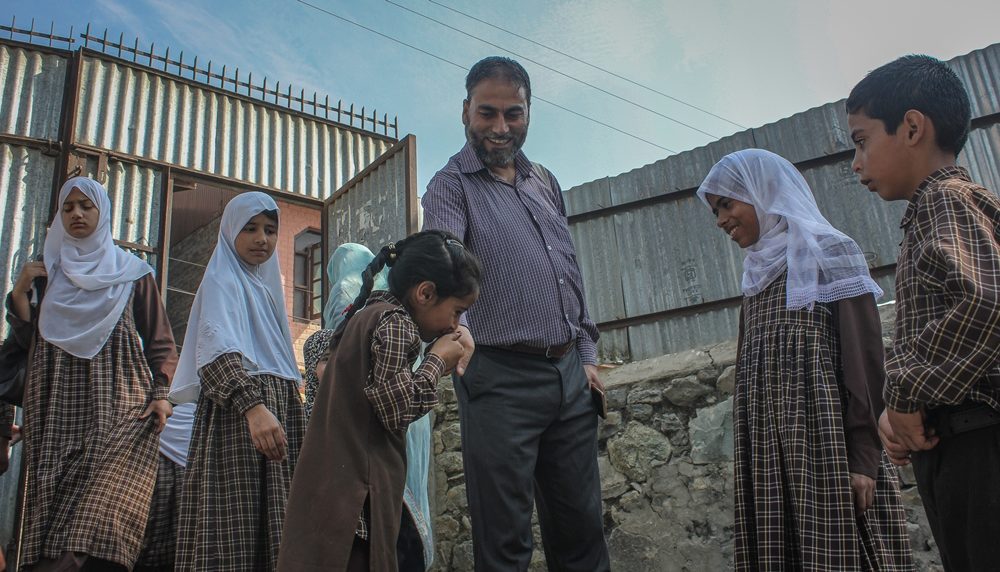
    Bandipora, Dec 08: Hafiz Raqib-ul-Hassan, one of the first three students of Alfalah Educational Institute Aragam Bandipora to successfully complete Hifz-e-Quran was on Monday warmly flagged off for Umrah after emerging as last year’s draw winner under the institute’s Quran memorization initiative.

    The farewell ceremony, held at Aragam, was attended by several prominent personalities, including Imam-e-Hayi Bandipora Khursheed Ahmad, MLA Sonawari Hilal Akbar Lone, SHO Police Station Aragam Mir Kazam, civil society members, and senior officers of the educational institute.

    Launched two years ago, Alfalah Educational Institute’s Quran Memorization Programme has quickly gained recognition in Bandipora for nurturing a new generation of Huffaz. Raqib, who stood among the first three students to complete the memorization of the Holy Quran, was selected for the Umrah pilgrimage through a lucky draw conducted by the institute last year.

    Speaking on the occasion, MLA Sonawari Hilal Akbar Lone hailed the institute’s efforts, saying the initiative has “opened doors of spiritual learning for dozens of young children in the area and created an environment where Quranic education becomes a community responsibility.” 

    He further said the Umrah sponsorship reflects the institute’s commitment to both academic and religious empowerment.

    Chairman of Alfalah Educational Institute, Arif Hussain Bhat, was also praised for his vision in introducing the Quran memorization programme in an area where structured Hifz facilities were limited. Locals lauded the management for providing religious learning, trained faculty, and a disciplined environment for students.

    Imam-e-Hayi Bandipora Khursheed Ahmad, while blessing the young Hafiz, said the journey of Umrah “is not just a reward but an honour earned through dedication, consistency, and spiritual discipline.”

    The elders, parents, and staff members congratulated Raqib, expressing hope that his achievement will inspire more children to join the Quran memorization programme in the coming academic sessions.

  • J&K’s first frozen Goat semen centre launched in Bandipora

    J&K’s first frozen Goat semen centre launched in Bandipora

    Set to Boost milk production, Breed quality

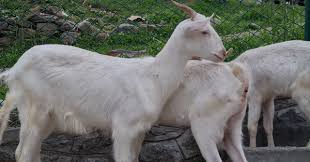
    Srinagar, Oct 4: In a first for Jammu and Kashmir, the Sheep Husbandry Department has launched a frozen goat semen facility in Bandipora, paving the way for scientific breeding and higher milk productivity in the Union Territory.

    Director Sheep Husbandry Kashmir, Mohammad Rafiq Shah, said that the facility marks the introduction of frozen artificial insemination (AI) technology in goats, a method previously restricted to large animals such as cattle and buffaloes.

    “For the first time in Jammu and Kashmir, frozen artificial insemination in goats has been started, and a dedicated frozen semen bank for small ruminants has been established,” Shah said. “This is the first such initiative in North India after similar developments in Rajasthan and Uttar Pradesh.”

    He added that the facility will use semen from high-yield breeds such as Jamunapari, Beetal and other superior genetic lines, known for higher lactation and better growth traits. The department believes this could help transform dairy-based rural livelihoods in hilly and economically weaker areas.

    During the visit, Shah inspected laboratory slides prepared two months earlier and confirmed the presence of “high motility and active sperm count,” calling it a “successful milestone” for the UT. “This is a proud moment for Bandipora and the entire Sheep Husbandry Department. Our team has delivered a breakthrough that will benefit farmers for years to come.”

    The director said experimental and research components will also be taken up under the project, including genetic improvement programmes to enhance breed performance and disease resistance. He congratulated veterinarians and district officers for executing the initiative and said that the success could lead to the expansion of similar centres in other districts.

    He said that the government has also invested heavily in the farm under the Holistic Agriculture Development Programme (HADP). “We have laid the foundation of the goat farm here and provided substantial funding. Work is underway to introduce mechanised milking and conduct scientific trials.”

    He further said the Bandipora facility will enable year-round access to semen and eliminate the seasonal limitations of natural breeding. Frozen AI is also expected to minimise disease transmission and improve breed uniformity in remote areas.

    With growing demand for goat milk and meat across India, the department is projecting a long-term increase in per-animal productivity and improved economic returns for small and marginal farmers.

    The launch in Bandipora is being described as a model initiative that could bring Jammu and Kashmir on par with progressive states using advanced reproductive technologies in the livestock sector.

  • MLA Bandipora inaugurates Sultania Volleyball Tournament in Gundpora

    MLA Bandipora inaugurates Sultania Volleyball Tournament in Gundpora

    Top players from across J&K to participate

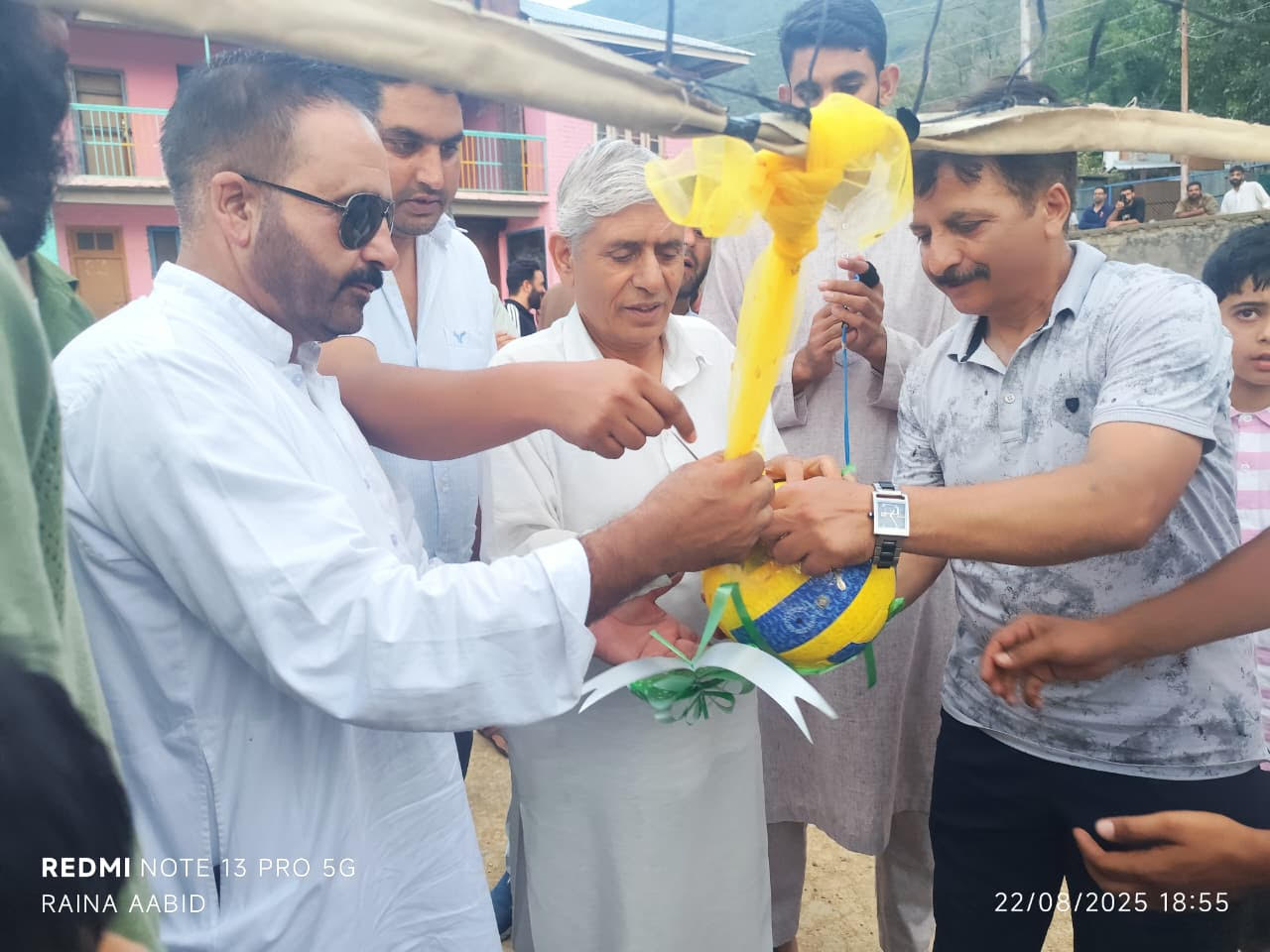
    Bandipora, Aug 22: The 2nd edition of the Sultania Volleyball Tournament, a much-anticipated sporting event in north Kashmir’s Bandipora district was inaugurated on Friday by MLA Bandipora, Nizam-u-din Bhat, at Middle School Gundpora, a venue now synonymous with high-voltage volleyball clashes.

    Declaring the tournament open as the Chief Guest, Bhat said sports are a unifying force in Kashmir and promised continued support for youth-driven initiatives. “Our young players have immense talent. Events like this bring communities together and also open opportunities for our boys to shine at the national stage,” he said, while lauding the organisers for sustaining the spirit of the game.

    The event drew an impressive line-up of dignitaries. DDC Arin, Ghulam Mohiuddin Rather, graced the occasion as Guest of Honour. Company Commander 14 RR, Kartik Jaswal, was present as Special Guest, alongside the Distinguished Guest, Company Commander of Kharpora 14 RR. The dais also welcomed Honoured Guest DDC Vice Chairperson Kausar Shafiq, Esteemed Guest Hafiz Sikander Malik, and Patron Guest Wajahat Hussain Raina and renowned official Khursheed Shaheen Peerzada.

    Organised by Sultania Sports Management, the tournament has grown into a marquee event for the valley’s volleyball enthusiasts. This year, the organisers secured strong media partnerships with Kashmir Convener, one of J&K’s leading English dailies, and Kashmir Viewer, a popular monthly magazine.

    The tournament also found generous backing from an array of local and regional sponsors including International Delhi Public School, Jahangir Bakery, Intec Computers Nowpora, Observer Diagnostic Centre Bandipora, Najar Laptop Gallery Aragam, Lavista Restaurant, Peer & Sons Bandipora, Shawl Mart Bandipora, Kashmir Orchards Dry Fruit & Spices Lowdara, MS Wular Timber Traders Nadihal, Dr Aqib Reshi’s Physiotherapy & Rehabilitation Centre Nadihal, Lone Traders Gundpora, Nafs Livestock Gundpora, Rider Publicity Nadihal, Double A Lehanga Shop Nadihal, Raina Electricals Gundpora, Umar Electricals, Waseem Bakery, Jot Down Nadihal, Star Sports Nadihal, and Sultania Communications Gundpora.

    With participation from leading clubs and teams across J&K, including several national-level players from the Union Territory, the tournament promises a thrilling contest for sports lovers in Bandipora and beyond.

    The organisers said the Sultania Volleyball Tournament has quickly established itself as a platform for both professional and grassroots talent. With this edition, they hope to not only showcase competitive volleyball but also strengthen Bandipora’s reputation as a hub of sporting activity in the valley.

  • Lotus Blooms in Wular Lake after 25 Years

    Lotus Blooms in Wular Lake after 25 Years

    Bandipora, July 9: The Wular Lake in North Kashmir has witnessed the blooming of lotus flowers, locally known as “Nadru”, after a gap of nearly 25 years, a milestone in the lake’s ongoing restoration efforts.

    The rare sight of vibrant lotus blooms was spotted in the waters of Wular, one of Asia’s largest freshwater lakes, located in Bandipora district.

    An Official from the Wular Conservation and Management Authority while confirming the development, attributed the return of Nadru to sustained dredging operations and ecological restoration measures taken over the past few years.

    “The revival of Nadru in Wular is the result of large-scale dredging and de-siltation that helped clear years of accumulated soil and organic debris,” the WUCMA official added. “The department also undertook controlled sowing of Nadru seeds, about 20 to 30 percent of what naturally occurs to support regrowth.”

    For nearly three decades, Wular Lake faced severe ecological stress due to unchecked siltation, pollution, and encroachments. The excessive deposition of soil and organic waste blocked sunlight penetration in the waterbed, disturbing the aquatic ecosystem and halting the natural growth of water plants like lotus.

    Human activities such as illegal construction, sand extraction, and unregulated agricultural runoff also damaged the lake’s health. By the early 2000s, the lake had significantly shrunk in size and lost much of its natural biodiversity, including the seasonal bloom of Nadru.

    WUCMA, under the aegis of the Jammu and Kashmir Government, launched a conservation plan for Wular, which included dredging clogged channels, removing silt, curbing encroachments, and replanting native aquatic vegetation. These efforts, intensified in the last 3-4 years have led to improved water quality and ecological restoration.

    “We observed early signs of Nadru growth last year, but this season has shown a more promising bloom,” rhe official said. “This is not just an ecological success but also an economic opportunity for local communities,” he added.

    The official further said that the blooming of lotus in Wular is more than just an aesthetic sight as it is expected to rejuvenate the local economy.

    Nadru is a popular delicacy in Kashmiri cuisine and sells for Rs 250 to 300 per kilogram in local markets, he said adding that its return offers fresh hope for scores of families living around Wular who rely on seasonal lake produce for livelihood.

    Local residents residing around the wular lake have welcomed the development with enthusiasm, seeing it as both a return of natural beauty and a path to improved earnings. 

    They said that the blooming of Nadru is a key indicator of improving lake health and biodiversity. Continued conservation efforts, they say, will be crucial to ensure that such ecological recoveries are sustained.

    Wular, one of the largest freshwater lakes in South Asia, fed mainly by the Jhelum River. Designated as a wetland of international importance under the Ramsar Convention, it plays a vital role in flood control, water purification, and biodiversity conservation in the Kashmir Valley.

    Over the years, however, Wular had come under threat due to rampant siltation, encroachments, and lack of management. The recent revival of Nadru signals a possible turning point in the lake’s fragile ecological journey.